Content
Mitigating risk and supporting the business
Practical frameworks for spotting and reducing risk across warehousing, procurement, and contract obligations, translating that risk into language the business will act on.
A Workshop for Supply Chain Professionals
A focused engagement for warehousing, procurement, and contracts professionals who shape outcomes from a support seat, translating operational risk into influence the business can act on.
Supply chain professionals working in warehousing, procurement, and contracts carry an outsized share of organizational risk, often without the formal authority to direct the decisions that shape it. This workshop equips practitioners to mitigate that risk and support the business with sharper, more credible influence.
Participants examine the dynamics of working as a support role with real power; and how to move stakeholders from passive interest to active sponsorship through deliberate, repeatable practice.
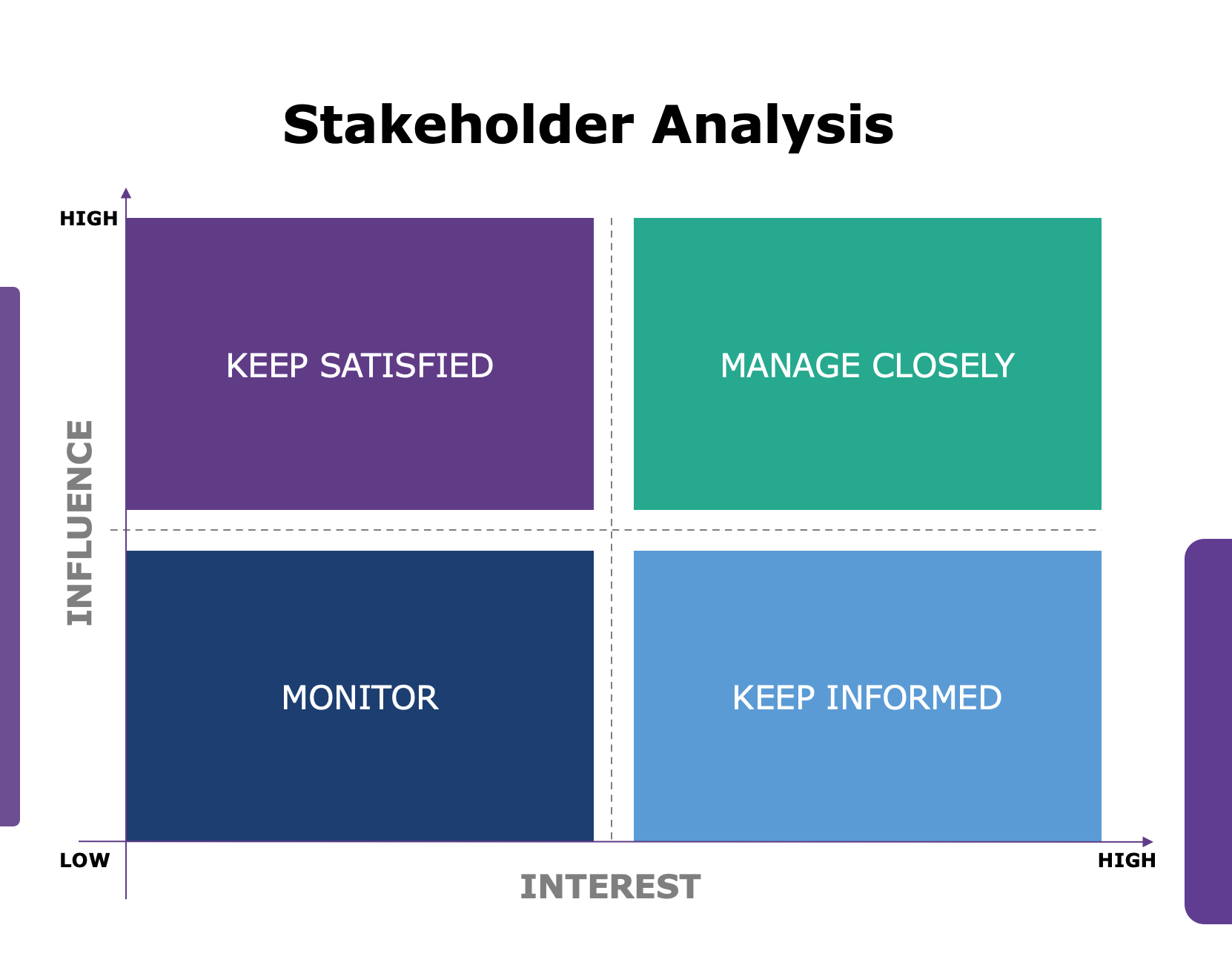
The core analytical lens is the interest/influence matrix, applied to real situations participants bring into the room. The result: a stakeholder strategy you can defend, communicate, and execute Monday morning.
Five observable outcomes that translate directly into how participants show up in the operation.
Practical frameworks for spotting and reducing risk across warehousing, procurement, and contract obligations, translating that risk into language the business will act on.
How professionals without positional authority earn standing, shape decisions, and partner with operators to keep the work moving in the right direction.
A working session in stakeholder management: mapping interest and influence, segmenting the matrix, and choosing the engagement move that fits each quadrant.
The Stakeholder Analysis Matrix helps global supply chain professionals identify and prioritize the individuals and groups who can influence the success of supply chain initiatives, operational improvements, and strategic projects. By evaluating stakeholders based on their level of influence and interest, teams can determine who must be managed closely, kept satisfied, kept informed, or simply monitored throughout the life of an initiative. This is especially important at Freeport, where supply chain decisions often affect operations, maintenance, accounting, site leadership, vendors, and corporate stakeholders. Using the Stakeholder Analysis matrix enables supply chain professionals to build stronger alignment, anticipate concerns before they become obstacles, and gain support for changes that impact the broader business. Effective stakeholder management is a critical skill for influencing outcomes without direct authority.
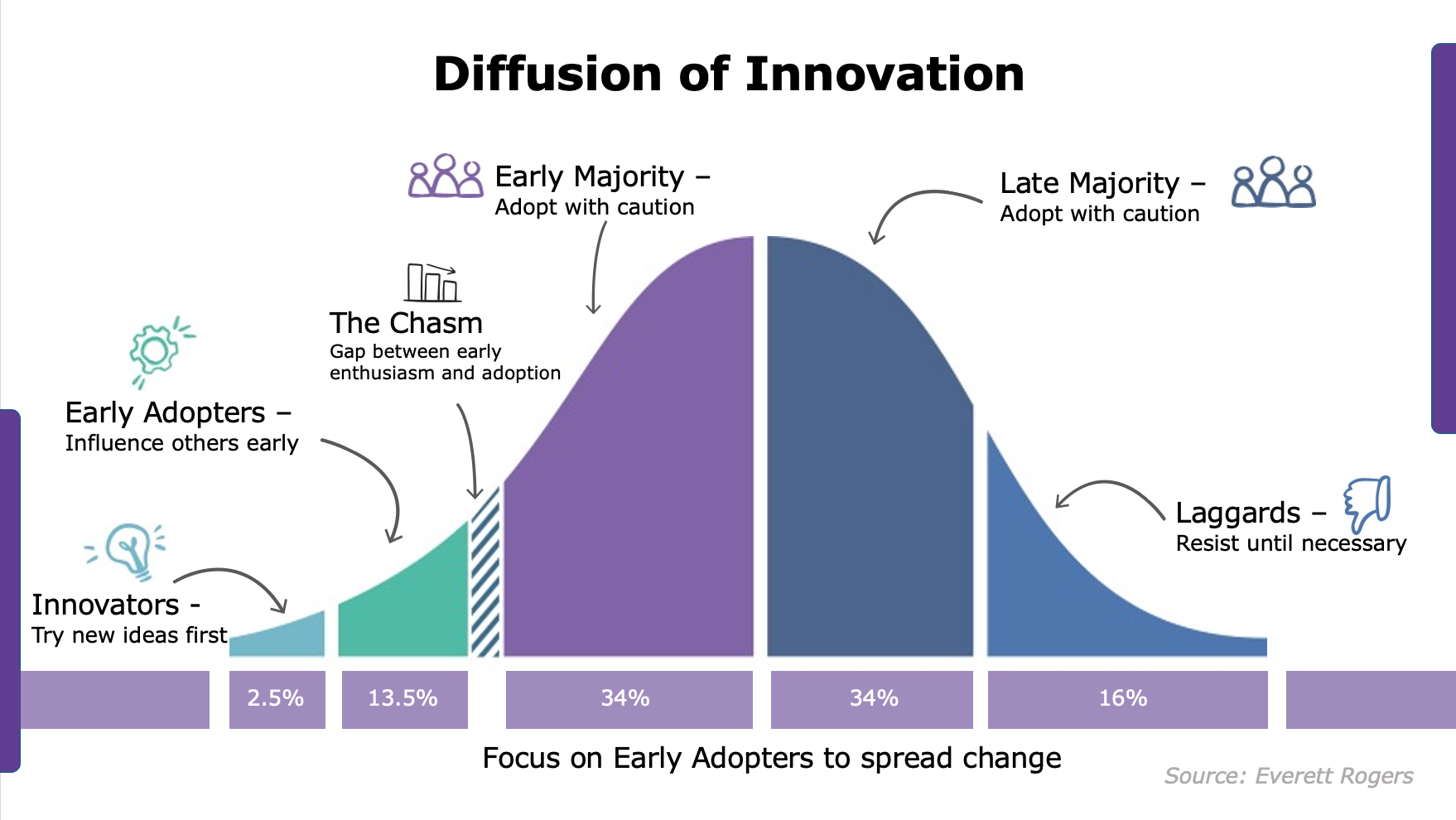
Everett Rogers' Change Curve helps supply chain professionals understand how individuals and stakeholder groups adopt new processes, technologies, systems, and ways of working over time. Whether implementing changes in SAP, supplier management processes, bulk inventory strategies, sourcing model, or many other varied supply chain initiatives, different stakeholders will embrace change at different rates. The model categorizes people into five groups; Innovators, Early Adopters, Early Majority, Late Majority, and Laggards; allowing supply chain leaders to tailor their communication and engagement strategies based on each group's readiness for change. By identifying and partnering with influential early adopters across procurement, logistics, operations, maintenance, finance, and site leadership, organizations can build momentum and accelerate broader adoption. In complex global supply chains where success depends on cross-functional alignment and consistent execution, understanding the Change Curve helps leaders reduce resistance, increase stakeholder buy-in, and improve the long-term success of change initiatives.
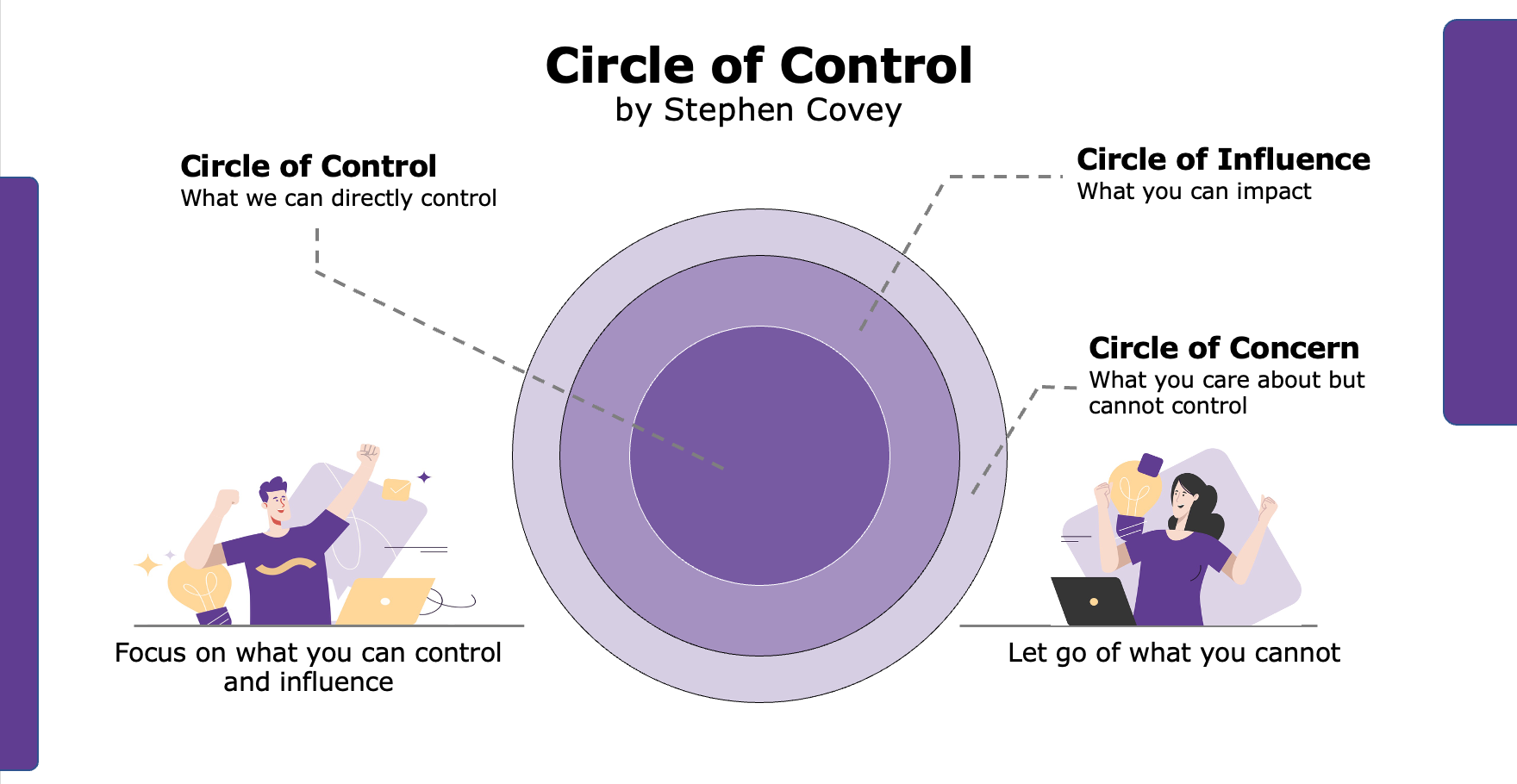
The Circle of Control is a framework that helps supply chain professionals focus their time and energy on the factors they can directly influence rather than becoming distracted by issues outside their control. In a global supply chain environment, teams routinely face challenges such as market volatility, transportation disruptions, geopolitical events, supplier constraints, and changing customer demand. The model encourages individuals to distinguish between what they can control, what they can influence, and what they can only monitor, allowing them to prioritize actions that drive meaningful results. By concentrating on areas such as stakeholder relationships, communication, planning processes, supplier collaboration, and decision-making, supply chain professionals can increase their effectiveness while reducing frustration and wasted effort. In complex and rapidly changing environments, applying the Circle of Control helps leaders remain proactive, resilient, and focused on actions that improve performance and business outcomes.